








Celebrity Alcohol Brands: Why Most Fail
Not all celebrity alcohol brands are created equal. Discover why fame doesn’t always translate to bottle sales

Loading...
Not all celebrity alcohol brands are created equal. Discover why fame doesn’t always translate to bottle sales
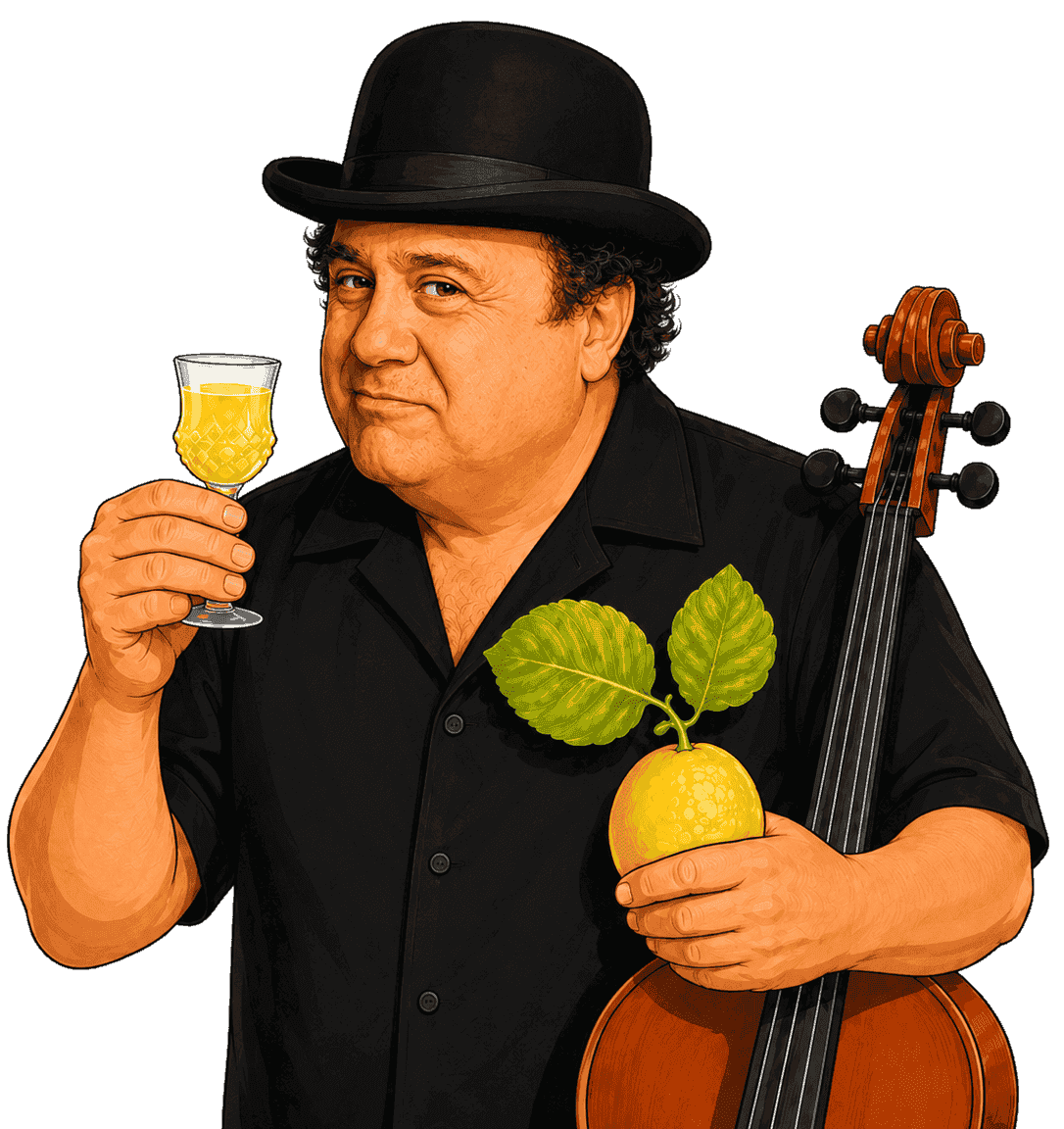
Since George Clooney sold Casamigos for a cool $1 billion dollars, every celebrity and their dog seems to want a crack at the booze biz.
But star appeal doesn’t always guarantee success.
Here are 3 major factors that make the difference between an alcohol brand that works and one that fails.
It helps when the star in question genuinely loves the booze they’re selling.
If their brand is seen as a cash grab with no passion or purpose, it creates publicity problems, which quickly become dwindling sales.
A great friend of mine was a founder of Grey Goose [...] and I want to top them, because it’s fun to top my friends.
As a known teetotaller, he couldn’t vouch for the taste either, which was cited as one of the major factors in the brand’s downfall.
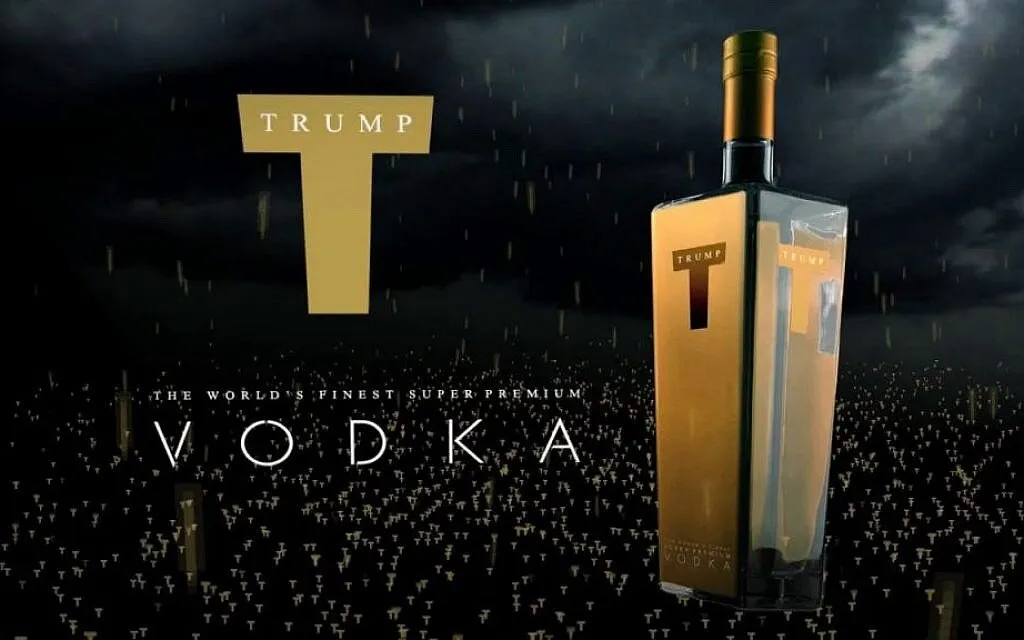
Trump Vodka ceased production in 2011, after failing to reach desired levels of distribution.
Don’t sell something you wouldn’t drink.
If you’ve never sold booze before, it’s easy to think a global fan base equals a global customer base.
Sadly, it doesn’t. Any alcohol brand looking to sell globally has a LOT of logistical questions to answer first.
While Danny DeVito’s Limoncello (ingeniously named Limoncello, by Danny Devito) gained a lot of attention, cross-border struggles eventually led to him losing interest, and bottles being discontinued.
When asked about the failure of his booze business, DeVito said:
People wanted it [...] there was some little snafus of getting it into the country, and I kind of let it sit [...] But I got a lot of publicity out of it. At least there’s that.
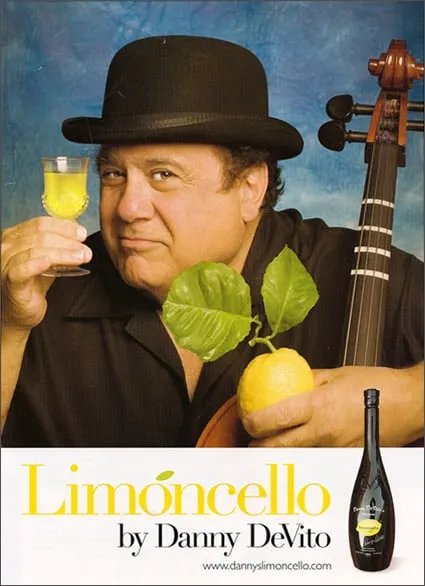
Limoncello by Danny Devito ceased production not long after its launch.
While we’re not convinced by the familiar \”my great Granddad made moonshine\” story behind Beyonce’s whisky, she’s done a grand job of securing the infrastructure she needs to sell it across borders.
By setting up with the support of Moët Hennessy (a subsidiary of LVMH), she has their distribution network at her fingertips.
Plugged in and ready to sell anywhere. You’ll find it online in bountiful supply.
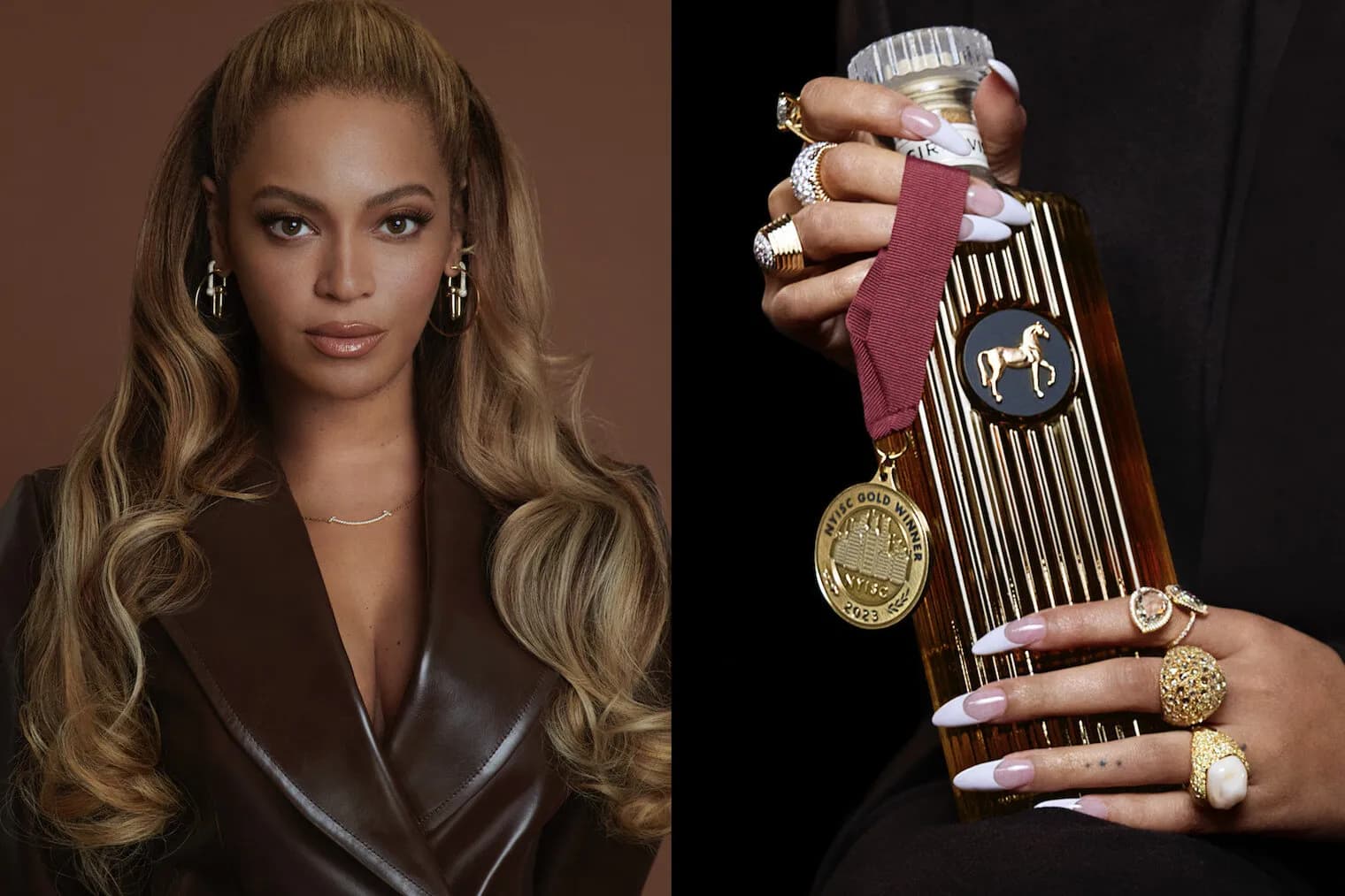
While it’s too early to tell how well it will sell, the whisky has just launched, and is widely available online.
When celebrity booze brands crash and burn, it’s often down to underestimating the amount of work required.
While those that succeed tend to be backed by a star that really gets involved in the development, distribution, and promotion of the product.
Despite being marketed as the world’s most fantastic champers, search online and you’ll struggle to find a shot of her holding it.
She did however shout it out in a tweet, as the reason for her overlong acceptance speech at Palm Springs International Film Festival.
Sadly, the brand didn’t last as long.
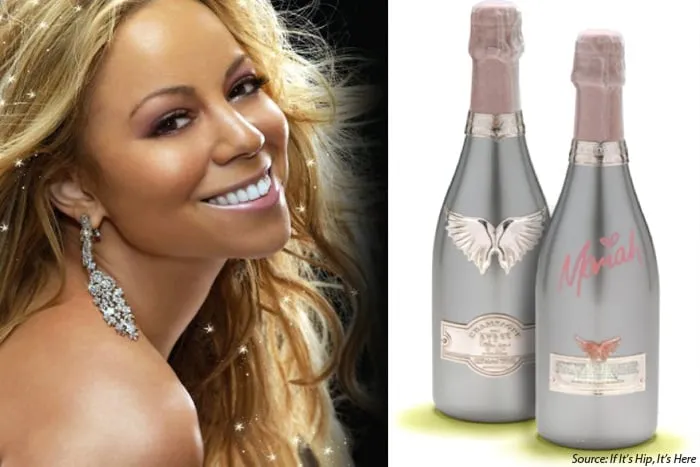
The brand disappeared in 2012.
Your booze might be fantastic, but you have to promote it for people to find that out.
It takes a lot more than star appeal to run a successful booze brand.
And there’s something we can all learn from the stories of Hollywood’s failures and successes in the alcohol industry:
- People can feel when someone has a genuine passion for booze.
- They can also feel when it’s a quick-and-easy cash grab.
- Fan base ≠ Customer base. To sell globally, the audience and infrastructure must be equally robust.
- There’s owning a booze brand, and owning a booze brand. Celebrity alcohol succeeds when the star in question really gets behind it.
If you’re not backed by Ryan Reynolds and want to learn how else to boost your bottle sales, Tipple can help. We handle the tax, logistics, and compliance so you can focus on building a brand that lasts.
Book a demo to see how we support alcohol brands selling globally.


